



Industrial machine vision projects combine technical, organizational and commercial requirements. Reliable implementation therefore requires clearly defined responsibilities and close collaboration between the departments involved.
OCTUM’s management team brings together executive management, sales and marketing, technical management, operations and support, materials management and commercial management. Together, they establish the conditions required to plan, develop, integrate and provide long-term support for custom inspection systems.
At OCTUM, leadership means making transparent decisions, bringing together different perspectives and taking responsibility for successful implementation as a team.

Any questions?
Get directly in touch with our
experts on +49 7062 91494-0
or write to us using our contact form
Leadership at OCTUM
Direct Communication and Clearly Defined Responsibilities
OCTUM views leadership as a collaborative responsibility. The managers work closely with their respective teams and maintain direct communication with customers, machine builders, technology partners and employees.
Short lines of communication make it easier to clarify technical, commercial and organizational matters at an early stage. This cross-functional collaboration is particularly important in demanding machine vision projects: a technically suitable solution must also be commercially viable, deliverable within the planned schedule, supported by reliable procurement and capable of long-term operation.
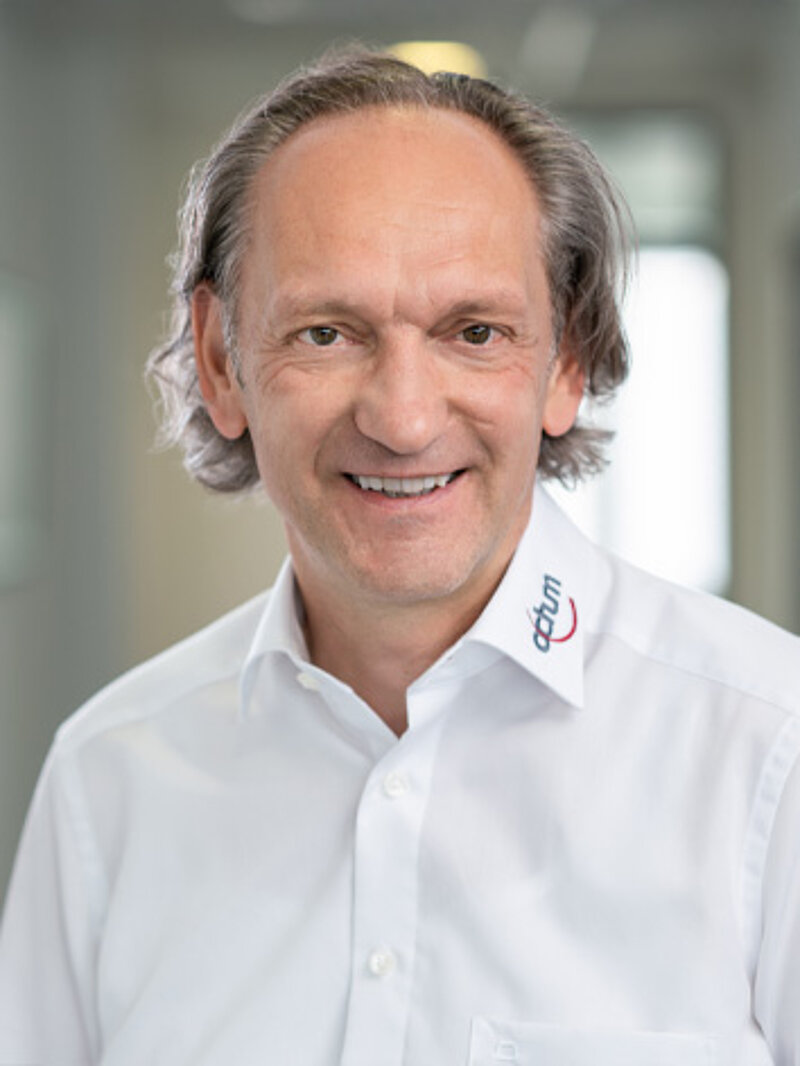
Martin Peres
Managing Director
As Managing Director, Martin Peres has overall responsibility for OCTUM GmbH. His responsibilities include the company’s strategic direction, the long-term development of the organization and the coordination of its overarching corporate objectives.
His focus is on developing OCTUM as a financially stable, technologically capable and internationally active company specializing in industrial machine vision and automated optical inspection.
Executive management brings together customer requirements, technological development, corporate responsibility and the long-term capabilities of the company.
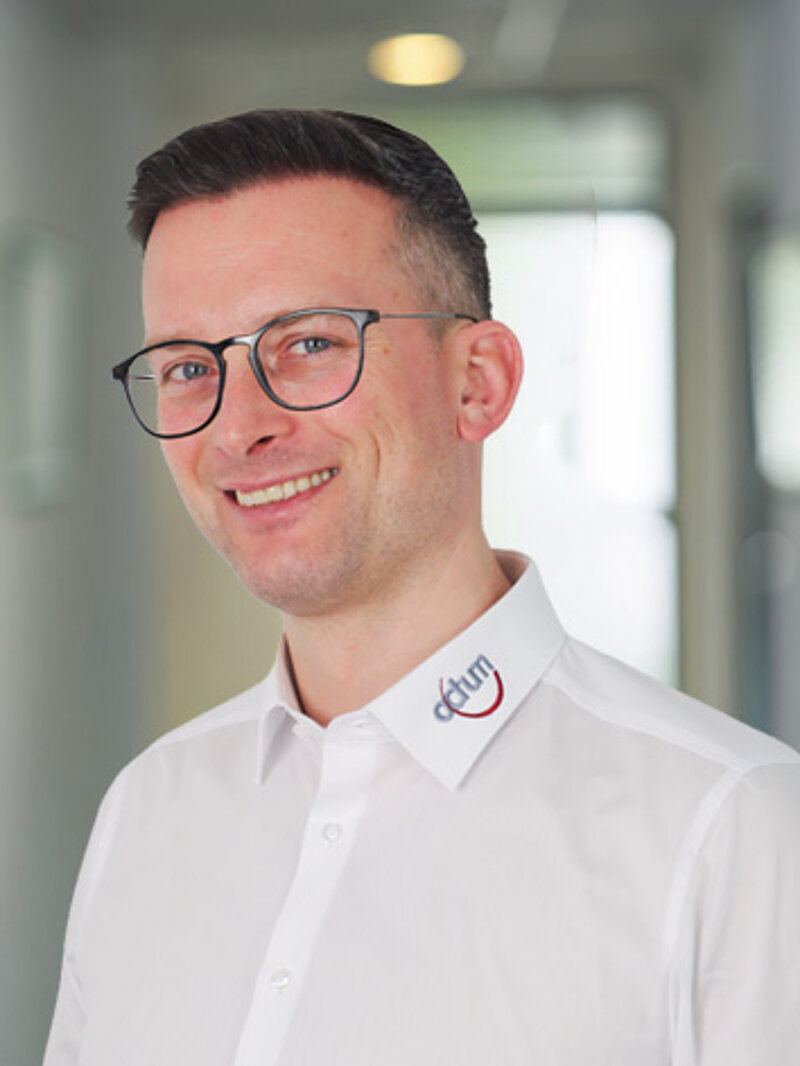
Roman Klingl
Director Sales & Marketing
Roman Klingl is responsible for Sales and Marketing. He acts as an important interface between customers, market requirements and OCTUM’s technical departments.
His responsibilities include sales development, the positioning of the company and its solutions, and the communication of OCTUM’s technical expertise and fields of application.
Early coordination with machine builders and manufacturing companies helps assess requirements, the system environment and potential solution approaches before detailed project planning begins. This allows the technical and commercial framework conditions to be considered jointly from the outset.
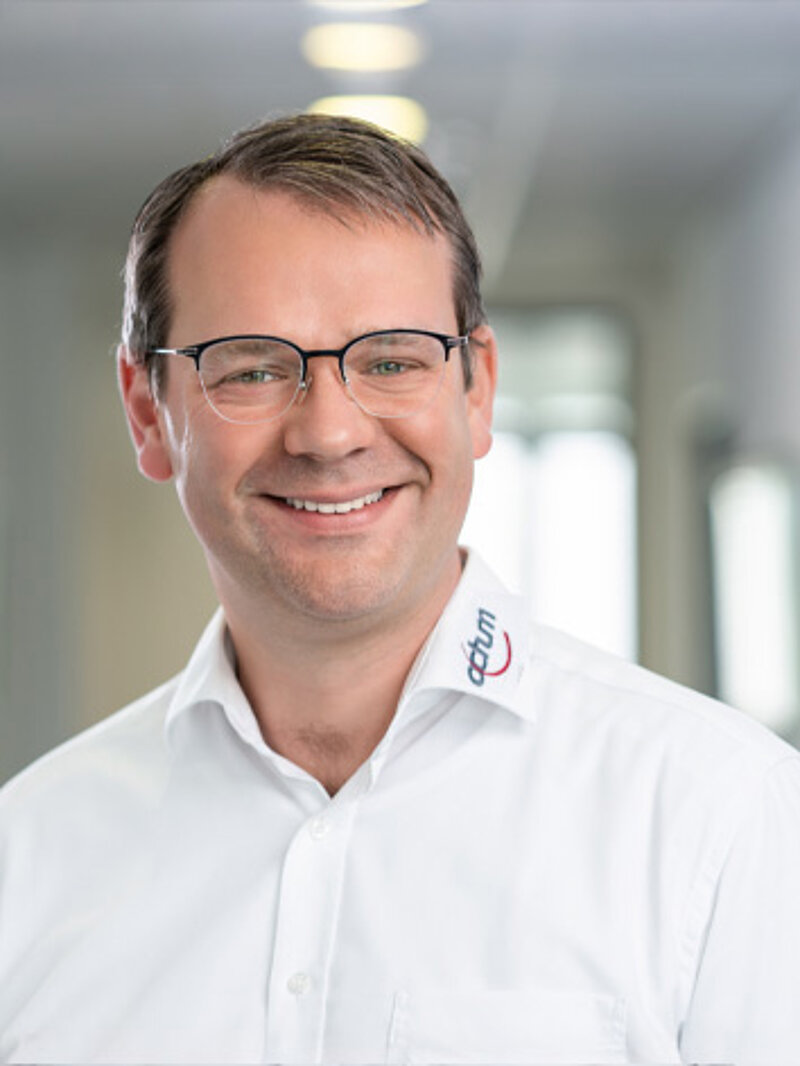
Dr.-Ing. Robert Kaiser
Technical Director
Dr.-Ing. Robert Kaiser is responsible for the technical direction of OCTUM’s machine vision and AOI solutions.
His focus is on assessing technical requirements, developing suitable system concepts and advancing the technologies and methods used by OCTUM. These include traditional machine vision, 3D methods, deep learning, artificial intelligence and the integration of different hardware and software components.
Technical management ensures that new methods are not only powerful in theory but can also be applied reliably under the specific production conditions.
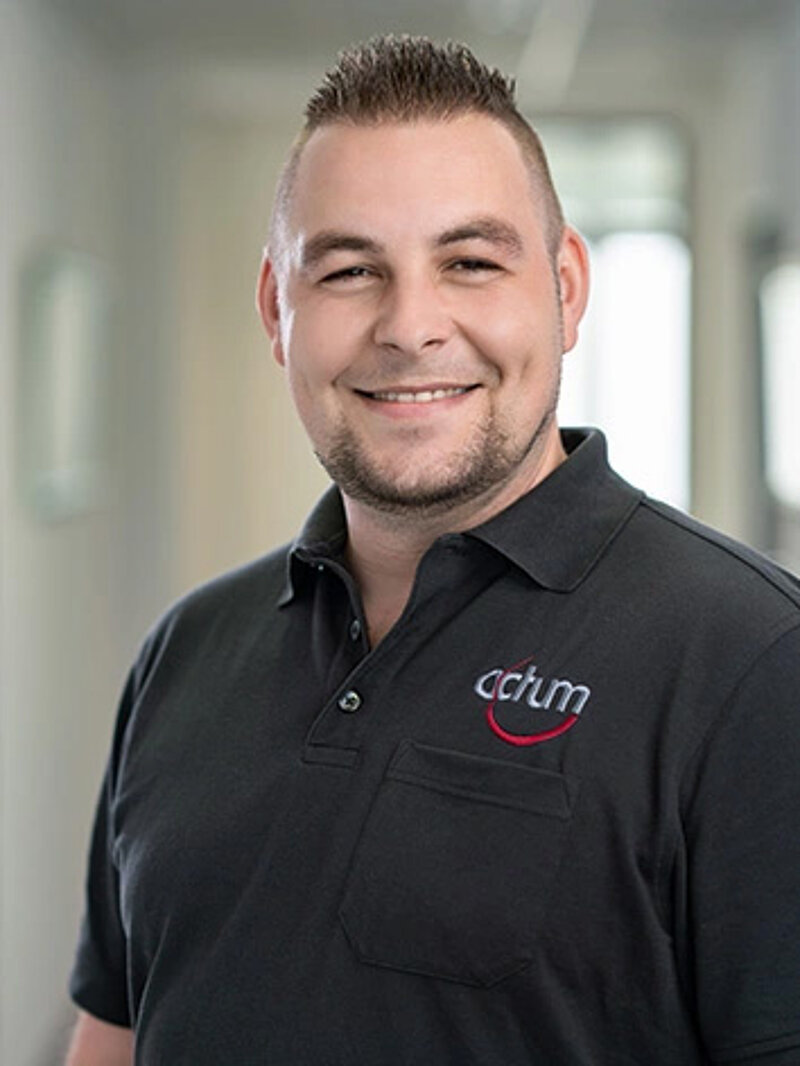
Sebastian Pflug
Director of Operations
Sebastian Pflug is responsible for operational processes and coordinates support for existing OCTUM inspection systems.
An important focus of his work is connecting project implementation, commissioning and long-term system operation. After an inspection system has been handed over, products, formats and inspection requirements may change. Technical questions, maintenance requirements or unexpected faults may also arise.
Sebastian Pflug coordinates the support departments involved and facilitates cross-location collaboration for remote support, planned service assignments and on-site technical support. The objective is to assess requests in a structured manner, involve the appropriate specialists and efficiently prepare the next technical steps.
Operations management therefore makes an important contribution to ensuring that OCTUM systems are not only commissioned successfully but also reliably supported, adapted and further developed throughout their entire lifecycle.
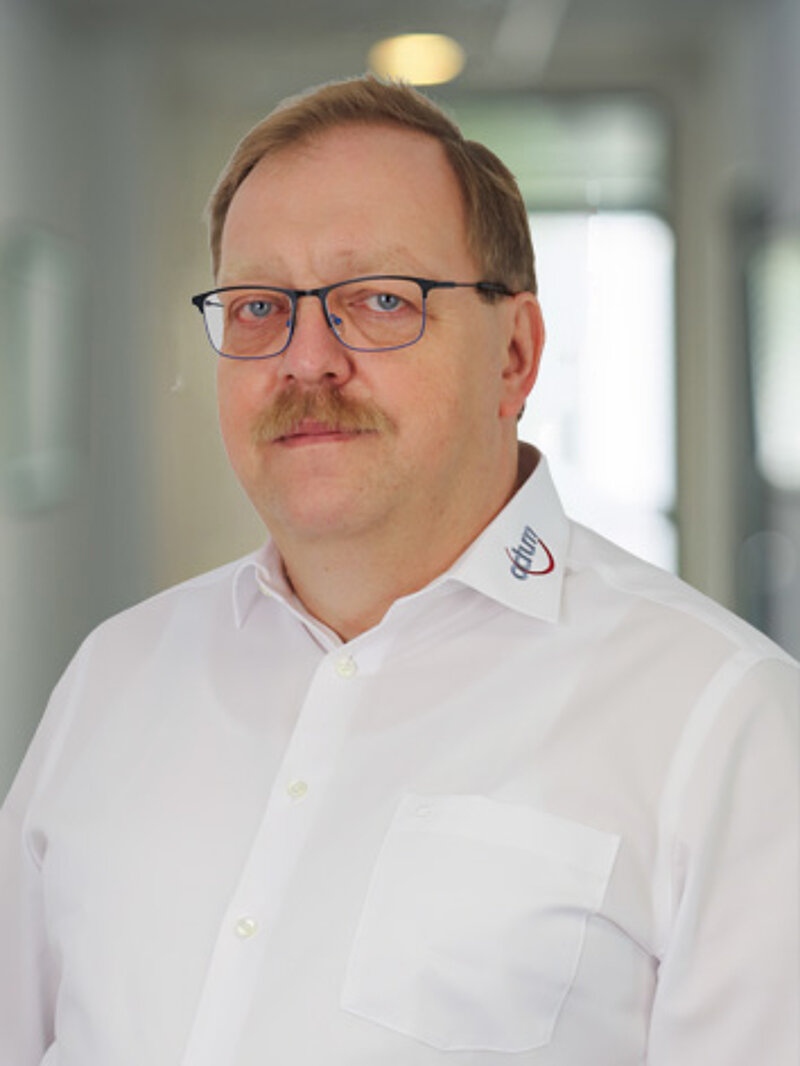
Dietmar Hebeiß
Head of Materials Management
Dietmar Hebeiß is responsible for materials management, a key function in ensuring the reliable and predictable implementation of OCTUM systems.
Customized machine vision solutions consist of numerous mechanical, optical, electronic, and industrial components. Structured materials planning, the coordination of required components, and their timely provision are therefore essential prerequisites for successful project implementation.
Materials management also helps ensure that relevant components remain available for service assignments, repairs, system expansions, and the long-term support of existing systems.
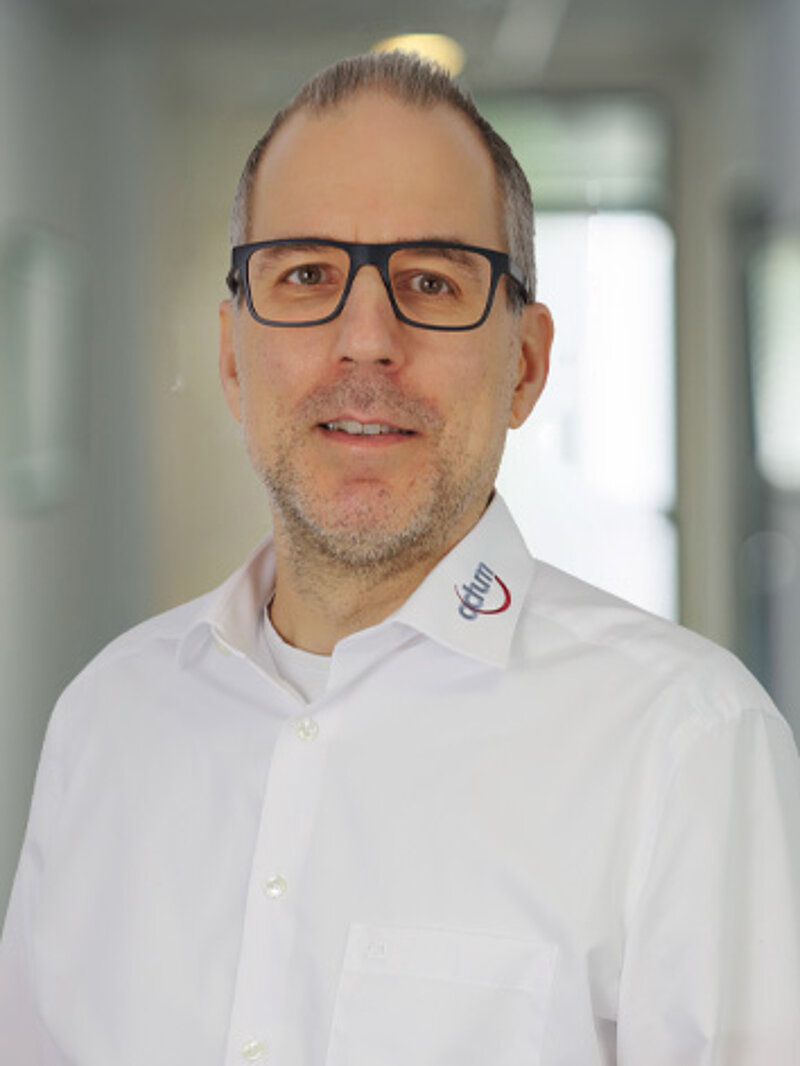
Roland Weichert
Commercial Manager
Roland Weichert is responsible for the commercial management of OCTUM GmbH.
His responsibilities include establishing the financial and organizational framework for day-to-day business operations and the implementation of customer projects. He is also responsible for purchasing, supplier relationship management, and obtaining and commercially evaluating quotations.
In this way, commercial management ensures reliable procurement, transparent processes, and the company’s long-term financial stability.
What Leadership Means at OCTUM
Shared Responsibility for the Company and Customer Projects
The individual areas of responsibility at OCTUM are closely interconnected. Executive management, sales, engineering, operations, support, materials management and commercial management assess customer projects from different perspectives and contribute their respective expertise to the decision-making process.
Leadership at OCTUM stands in particular for:
- clearly defined responsibilities
- transparent decisions
- direct and efficient communication
- technical and commercial realism
- cross-functional collaboration
- open communication with customers and partners
- confidence in the expertise of employees
- a long-term focus on the company and its customers
Decisions with the Complete System in Mind
Many factors must work together in an industrial machine vision project: the inspection task, technology, software, machine integration, cycle time, material availability, scheduling, documentation and long-term support.
The management team establishes the framework required to ensure that these factors are not considered in isolation. The objective is a solution that is technically transparent, commercially viable and capable of being integrated reliably into the production process.
This holistic approach reflects OCTUM’s understanding of its role as a system integrator: responsibility does not end with an individual component but encompasses the interaction of the entire inspection system.